
Happy Wednesday! I hope you're enjoying these weekly dispatches. As you know, I keep this newsletter free because I think we all could use more data in our lives. But I need you on this mission! Nudge nudge: Upgrade to a paid membership today.
💙 Amanda
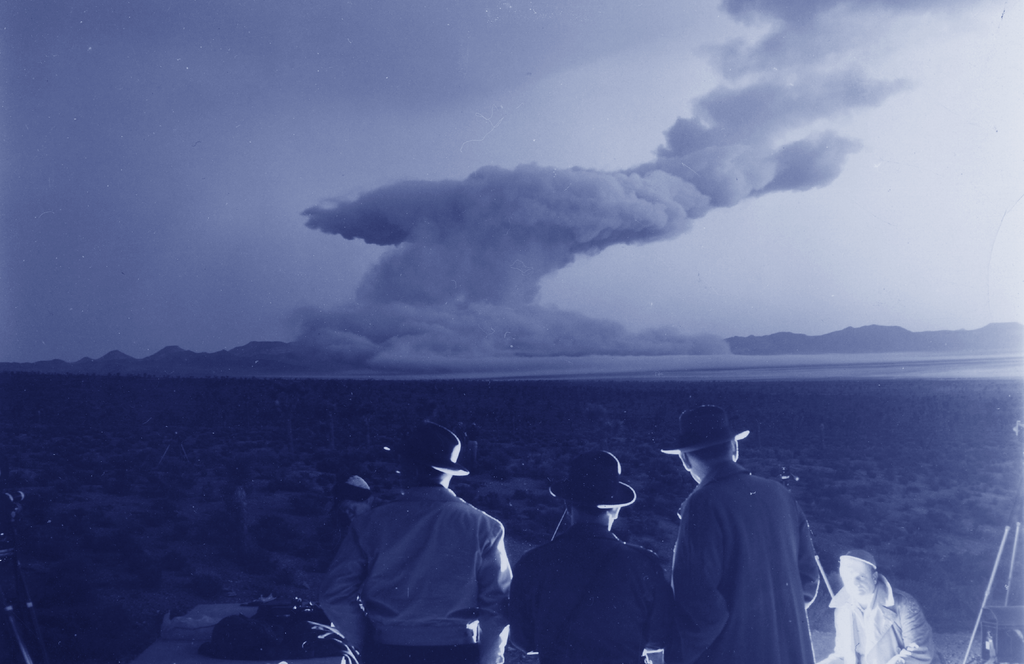
You know what was nice? Not thinking about nukes.
So much for that: The New START Treaty — the last remaining nuclear arms control agreement between the US and Russia — expired last week.
This isn't a 'duck and cover' scenario. It doesn't mean countries will necessarily start an arms race, or throw away decades of restraint. But it does mean there are no longer any international guardrails on the size of Russian and American nuclear arsenals. It's the first time in decades.
I guess we'd better check in on the state of the world's nukes.
Today, nine countries have nuclear weapons
Estimated size of nuclear stockpiles, 2024.
The US and Russia have the largest stockpiles by far. Between them, they hold over 87% of the global nuclear arsenal.
You might be surprised to discover that the US has fewer warheads than Russia. That wasn't always the case. And while the warhead counts seem large, they are significantly lower than their Cold War peak.
Still, reduced isn't the same as gone. Once a country gets nuclear weapons, they don't give 'em up. Well, almost never. South Africa acquired three warheads in 1982, growing to six in 1989. Amidst political unrest, the apartheid government dismantled them two years later.
Here's a closer look at the rise and fall of the world's nuclear stockpiles.
No one else comes close: Decades of US and Russian nuclear dominance
Estimated nuclear stockpile by country, 1945 to 2024.
Today, there are nearly 10,000 nuclear warheads out in the world. Despite the significant drop from a Cold War high of over 60,000, that value still seems wild to me. How many nuclear weapons does a country actually need? At small numbers, the math matters — two warheads versus one is a real advantage. But at 1,000 versus 2,000? Realistically, we're never getting past the first exchange anyway.
Experts have thought a lot about this 'how many' question. The conversation centres around something called minimum deterrence: The least number of nuclear weapons needed to keep an enemy from attacking (and in some theories, also have the ability to strike back). There are varying opinions on this value, but it ranges from a couple hundred warheads to about 1,000. That's it.
Russia and the US have an absurd number of nukes
At the high end, minimum deterrence suggests that more than 1,000 nuclear weapons is unnecessary.
Russia and the US have far more nuclear warheads than they could ever need. At this point, keeping such massive arsenals has more to do with politics than security.
So what happens to those numbers now? For more than half a century, treaties like New START have kept US and Russian stockpiles in check. Now, for the first time in decades, there's no formal framework in place. Whether these nuclear arsenals will grow, shrink, or stay the same is unclear. But there is some hope: Reporting from Axios suggests both Putin and Trump are interested in maintaining some sort of limits.
NO BEZOS HERE
I used to work at the Washington Post. I resigned last year after the paper's owner, Jeff Bezos, tanked the publication's reputation and left me fed up with billionaires. Last week, Bezos continued to dismantle the historic institution by axing hundreds of reporting roles.
Some of us are trying to find another way. Independent journalists are starting up publications (like D.C.'s The 51st, the Manchester Mill or 404 Media) or tackling topics on their own (Emily Atkin's Heated is for "people pissed off about the climate crisis," Marisa Kabas is covering the unravelling of the US government at the Handbasket). It's tough out here without a billionaire backer. But it's better.
This is an important time to support independent journalism, wherever you find it.
FROM ELSEWHERE
Here's what I found interesting, important or delightful this week:
A warning for 1,000 years. With beautiful images, Re:connaissance newsletter revisits an in-depth study on the challenge of warning the future. It reads like science fiction, but is in fact a real report from 1993.
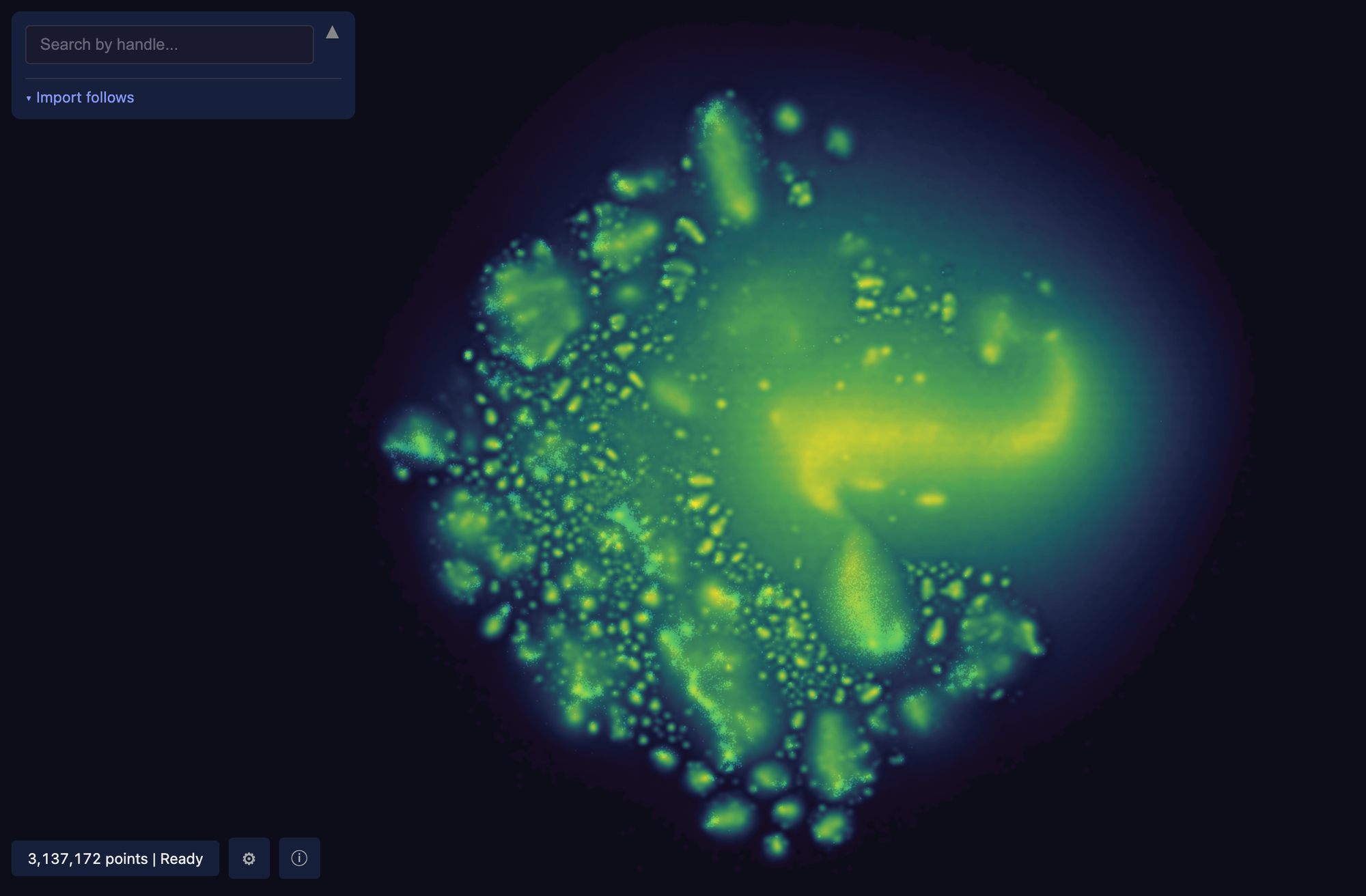
The Bluesky constellation. If you're on Bluesky, check out this incredible map by Theo Sanderson, who has visualized all 3.4 million users by their follower patterns. Find yourself!
Member discussion