
Usually, I have a little plug here about why you should support Not-Ship financially. Today, I just want to say a great big THANK YOU to the small but wonderful group of people who already do. I hope the sun is shining where you are today.
💙 Amanda
Online privacy is entering its unhinged era. And it could mean the end of anonymity. Let me explain.
Twenty years ago, legal scholar Daniel J. Solove created a well-respected taxonomy of 16 privacy concerns. Researchers at Carnegie Mellon University recently tested it against artificial intelligence. In twelve of the sixteen categories, AI either created new risks or made existing ones worse.
Inspired by this research, I spent months on a piece about how AI is upending online privacy. It was published yesterday.
Initially, I figured a relatable angle would make the best story: We're all telling AI chatbots way too much.
Take my friend. He asks ChatGPT for relationship advice, has used it for budgeting help, and even uploads his medical documents for a prognosis. I'm shocked he shares so much sensitive information. But he's far from unusual.
When OpenAI sampled over a million ChatGPT conversations, nearly one in ten were requests for “how-to” advice.
What people talk to ChatGPT about
Categories accounting for at least 4% of conversations.
It makes sense. AI chatbots are programmed to respond like a friend — agreeable, empathetic, and encouraging — and people actually feel less fear of judgement when sharing with a chatbot than talking with a fellow human. A 2025 study found that nearly half of ChatGPT users had discussed health topics with the chatbot, and over a third had discussed personal finances.
This is, of course, a serious privacy concern. But as I began working on the piece, digging deeper into the research, I found something far more surprising than our well-known desire to overshare with machines.
One of the most unnerving risks may not come from what we divulge to chatbots knowingly, but from the personal details they can determine that we never even tell them. Through our word choices, sentence structure, phrasing and cultural references, AI can piece together who we are in incredible detail.
The privacy implications are concerning. As one researcher told me: "Maybe at some point, there is just no guarantee of anonymity for a person posting anything online."
On that note, I'm sending you outside Not-Ship for this one. I've been working on this piece since January along with Youjin Shin, an incredible creative developer. I think you'll enjoy it.
 AMANDA SHENDRUK and YOUJIN SHIN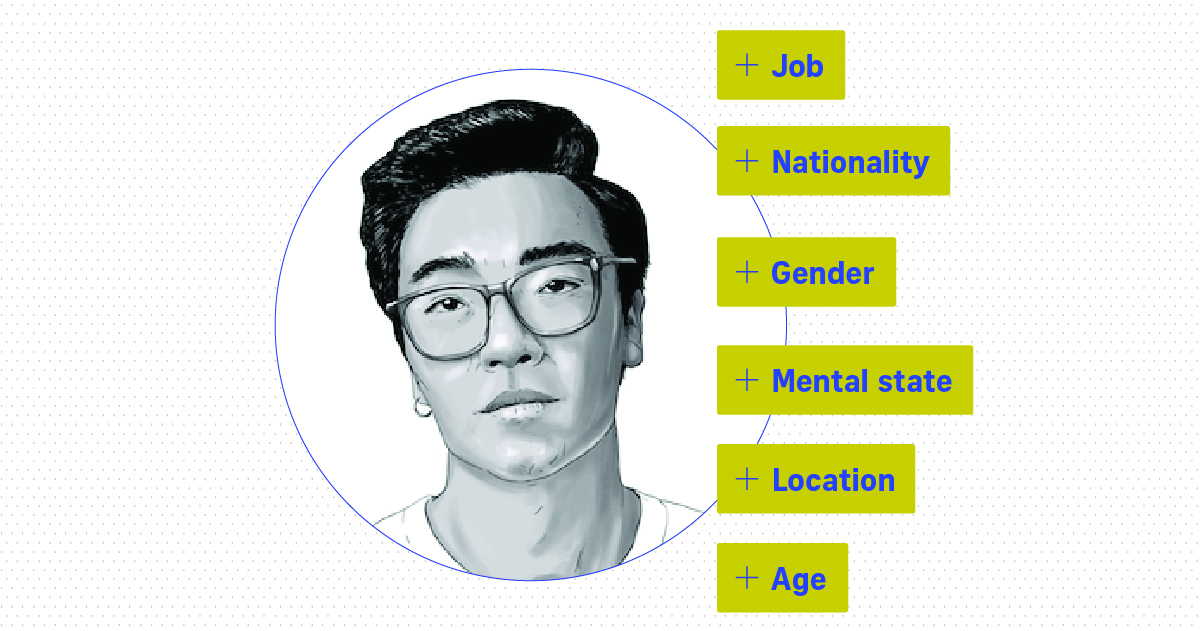
READERS RESPOND
Do you have thoughts, questions or insights about today's topic? Let's hear 'em! Send me a note by replying to this email, or find me on LinkedIn and Bluesky. Next week, I'll take a selection and share them.
FROM ELSEWHERE
Here's what I found interesting, important or delightful this week:
Duping for a cause. The latest campaign from Serious People takes on Lululemon's fossil fuel record by shamelessly duping the activewear brand. "It took us a matter of weeks to build a fake brand with products made by workers earning a living wage, in a wind and solar-powered factory."
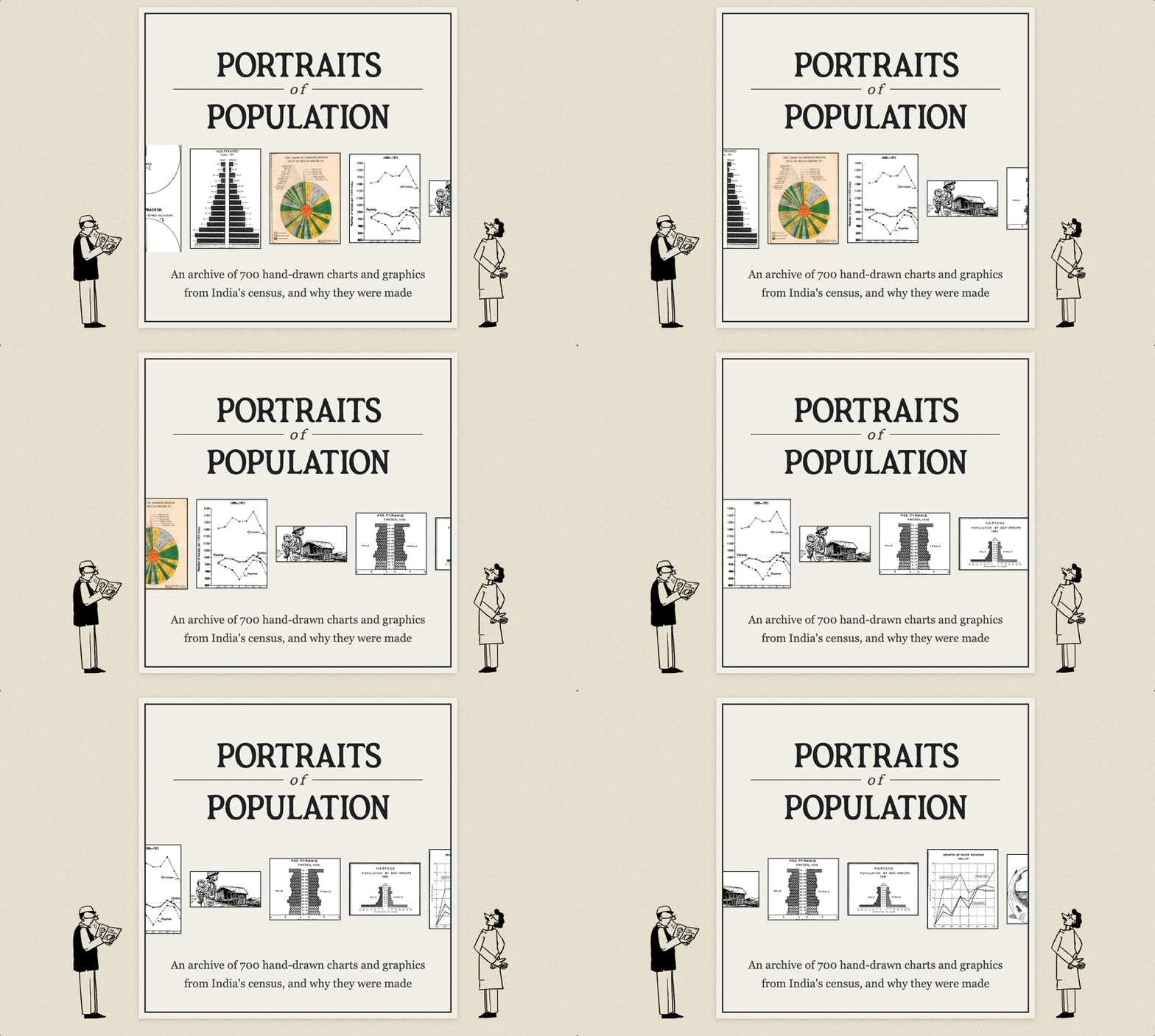
700 hand-drawn census charts. Diagram Chasing explores the Indian government's digital census library, tracing its attempts to simplify demographic data and make it accessible to everyone.
MORE NOT-SHIP
Amanda Shendruk Amanda Shendruk
 Amanda Shendruk
Member discussion